Some links in this piece are affiliate links. If you buy something through one, Little Home Details may earn a small commission, at no extra cost to you. It never changes what ends up in the drawer. How this works.
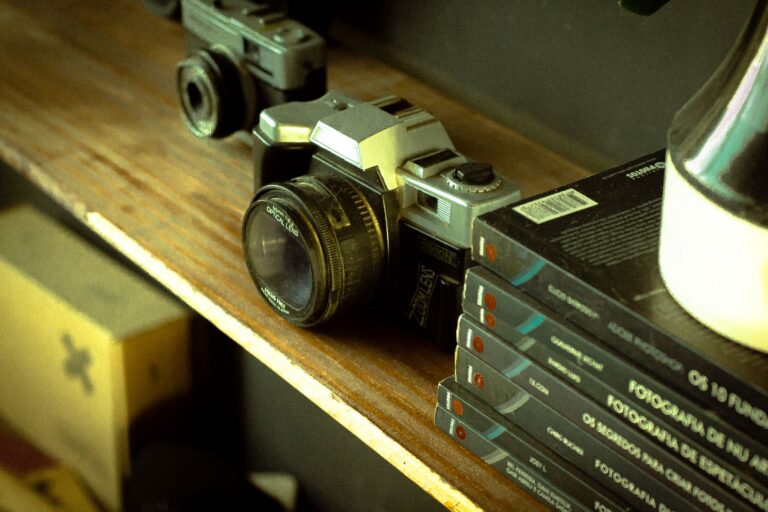
There is a stack of books on the low shelf by the window that I have rearranged maybe forty times and never once made logical. It starts with a field guide to birds that my grandmother owned, moves into two paperback novels with cracked spines, then a heavy book about Japanese joinery I bought at a library sale for a dollar and have never finished. On top of all of it sits a thin book of poems with a coffee ring on the cover that has gone slightly gray and soft at the edges.
People ask how I organize my books and I used to feel embarrassed that the honest answer is I do not, not really. I tried alphabetizing once, years ago, in an apartment with more wall space than this one. It lasted about three weeks before a friend borrowed something and put it back in the wrong spot and I realized I did not mind. What I actually do is stack by height and by what I want within reach, which sounds practical until you notice the shortest book in a pile is sometimes the one I have not opened in a decade.
What the height actually does
Stacking flat instead of standing books upright on a shelf changes how you see them. Spines disappear. You stop shopping your own shelf for a color or a title and start noticing weight instead, the actual physical heft of a book, which pages have gone soft from humidity and which ones still feel crisp. The joinery book is heavier than it looks, printed on paper stock that feels almost like cardstock, and I like that it anchors the bottom of the stack even though I rarely open it.
The poetry book on top is the opposite. Thin, maybe sixty pages, with a cover that has started to curl slightly at the corner where I keep picking it up one-handed. I bought it at a reading in a bookstore that has since closed, and the coffee ring on the front happened the first week I owned it, before I had even finished the first section. I have thought about wiping it off or replacing the copy. I have not done either.
The books I keep closest are rarely the ones I reread. They are the ones that feel right to touch.
The birds book
My grandmother’s field guide is the one item in the stack I am careful with, though not in any visible way. There is no plastic sleeve, no acid-free box. I just know which page the barn owl is on because the spine cracks open to it on its own now, worn in from however many times she checked it against something she saw out a window. Her handwriting is in the margin next to a sparrow entry, just initials and a date, nothing more. I have never tried to figure out what the date meant to her.
When I moved this stack from my old place to this one, I did not use a box labeled books. I wrapped the whole stack in a dish towel and carried it in the front seat of the car, which in hindsight was not the safest way to transport anything but felt correct at the time. Some things do not belong in a box with forty other books you barely remember owning.
Why I stopped fixing it
For a while I felt a low guilt about the stack, the sense that a person who really loved books would have a system, would know where things were without checking. Then I noticed that the disorder was doing something for me. Every time I go looking for the joinery book, I have to move the poetry book and see the coffee ring again, and every time I see it I remember the reading, the bookstore that is gone now, the friend who came with me. If the shelf were alphabetized none of that would happen. I would just reach for the letter J and pull it straight out.
There is a kind of organizing that removes friction and a kind that removes memory along with it. I did not understand the difference until I lived with a system that had neither, just a pile that grew slightly wider at the bottom and slightly more precarious at the top, each book resting on the last one the way a decision rests on the one before it. I am not recommending it as a method. I do not think it would work for someone with three hundred books instead of a dozen or so on one low shelf. But for what I have, the disorder has become the point. It tells me what I actually reach for, not what I think I should.
The stack will probably get knocked over again this winter, the cat sees to that most years, and I will restack it in some new arrangement that makes no more sense than the last one. The birds book will end up back near the bottom because it is heavy and flat enough to hold the rest steady. The poetry book will end up on top because my hand goes to it first, without much thought, the way you reach for a doorknob in a house you have lived in long enough to stop looking.